


Showa-Shi
Showa: A History of Japan, コミック昭和史
Nội dung
When the Showa Era began, Mizuki himself was just a few years old, so his earliest memories coincide with the earliest events of the Era. With his trusty narrator Rat Man, Mizuki brings history into the realm of the personal, making it palatable, and indeed compelling, for young audiences as well as more mature readers. As he describes the militarization that leads up to World War II, Mizuki’s stance toward war is thoughtful and often downright critical – his portrayal of the Nanjing Massacre clearly paints the incident (a disputed topic within Japan) as an atrocity. Mizuki’s Showa is a beautifully told history that tracks how technological developments and the country’s shifting economic stability had a role in shaping Japan’s foreign policy in the early twentieth century.
(Source: Drawn & Quarterly)
Bản giới thiệu gốc.
Cùng thể loại
Xem thêm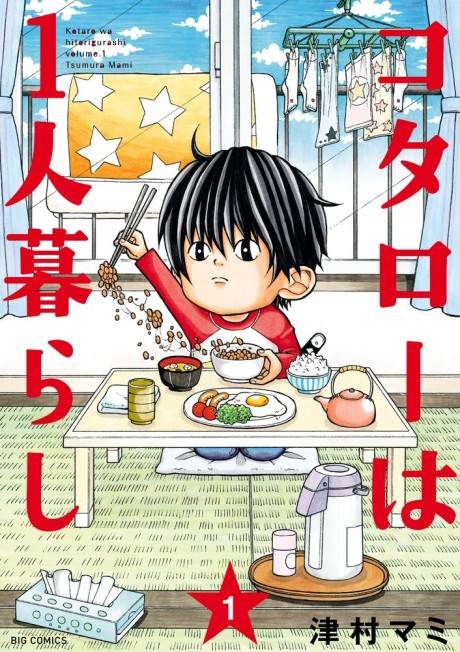
Kotarou wa Hitorigurashi
Kotaro Sống Một Mình
Hài hướcChính kịchĐời thường
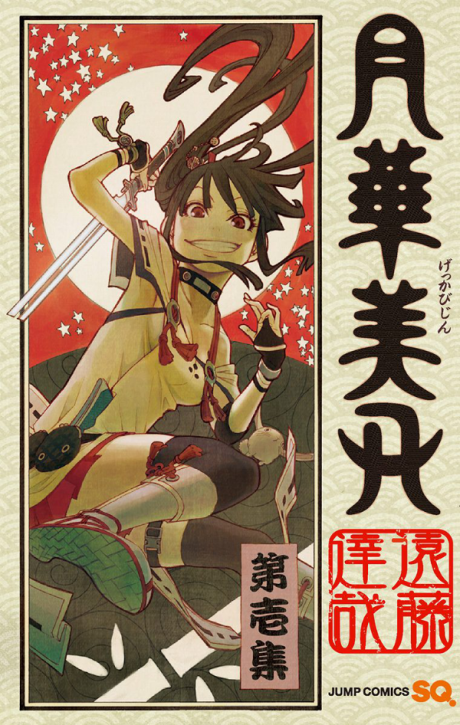
Gekka Bijin
Nguyệt Hạ Thần Kiếm
Hài hướcGiả tưởngHành động

Uchiage Hanabi, Shita kara Miru ka? Yoko kara Miru ka?
Pháo hoa, ngắm từ dưới hay bên cạnh?
Lãng mạnChính kịchSiêu nhiên

capeta
Capeta
Hài hướcThể thaoChính kịch

Tadaima, Okaeri
Welcome Home
Lãng mạnChính kịchĐời thường
Cùng tác giả: Shigeru Mizuki
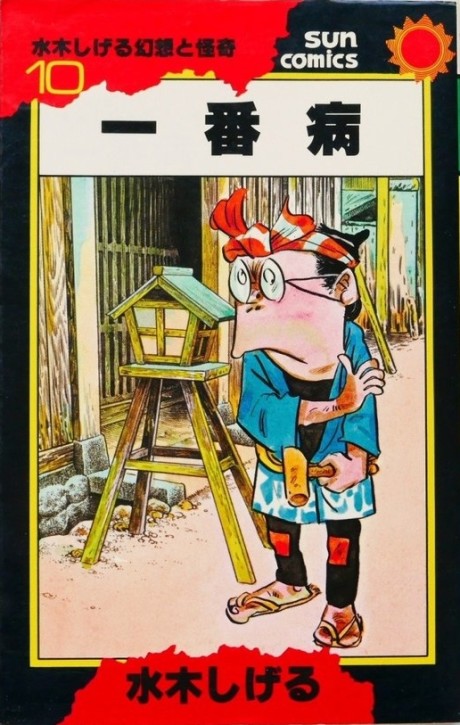
Ichiban Itazuki
Điện hạ Umeboshi
Đời thườngSiêu nhiên

Souin Gyokusai seyo!
Onward Towards Our Noble Deaths
Tâm lýChính kịch

GeGeGe no Kitarou
GeGeGe no Kitaro
Kinh dịHài hướcSiêu nhiên

Gekiga Hitler
Shigeru Mizuki’s Hitler
Chính kịch
Nonnonba to Ore
NonNonBa
Đời thườngSiêu nhiên
Bình luận
Chưa có bình luận nào. Hãy là người đầu tiên.
Đăng nhập để bình luận. Bạn vẫn đọc được bình luận của người khác.